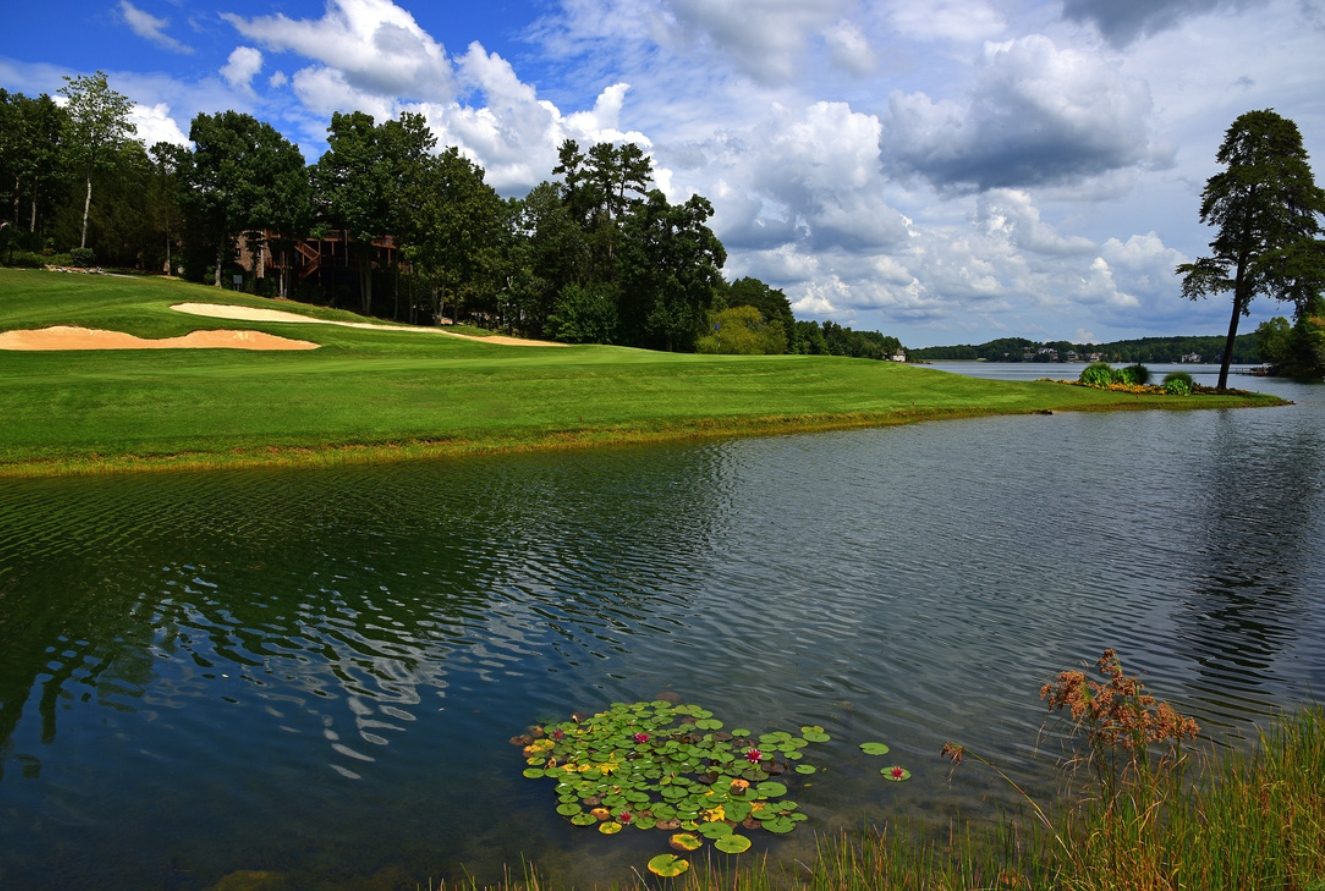
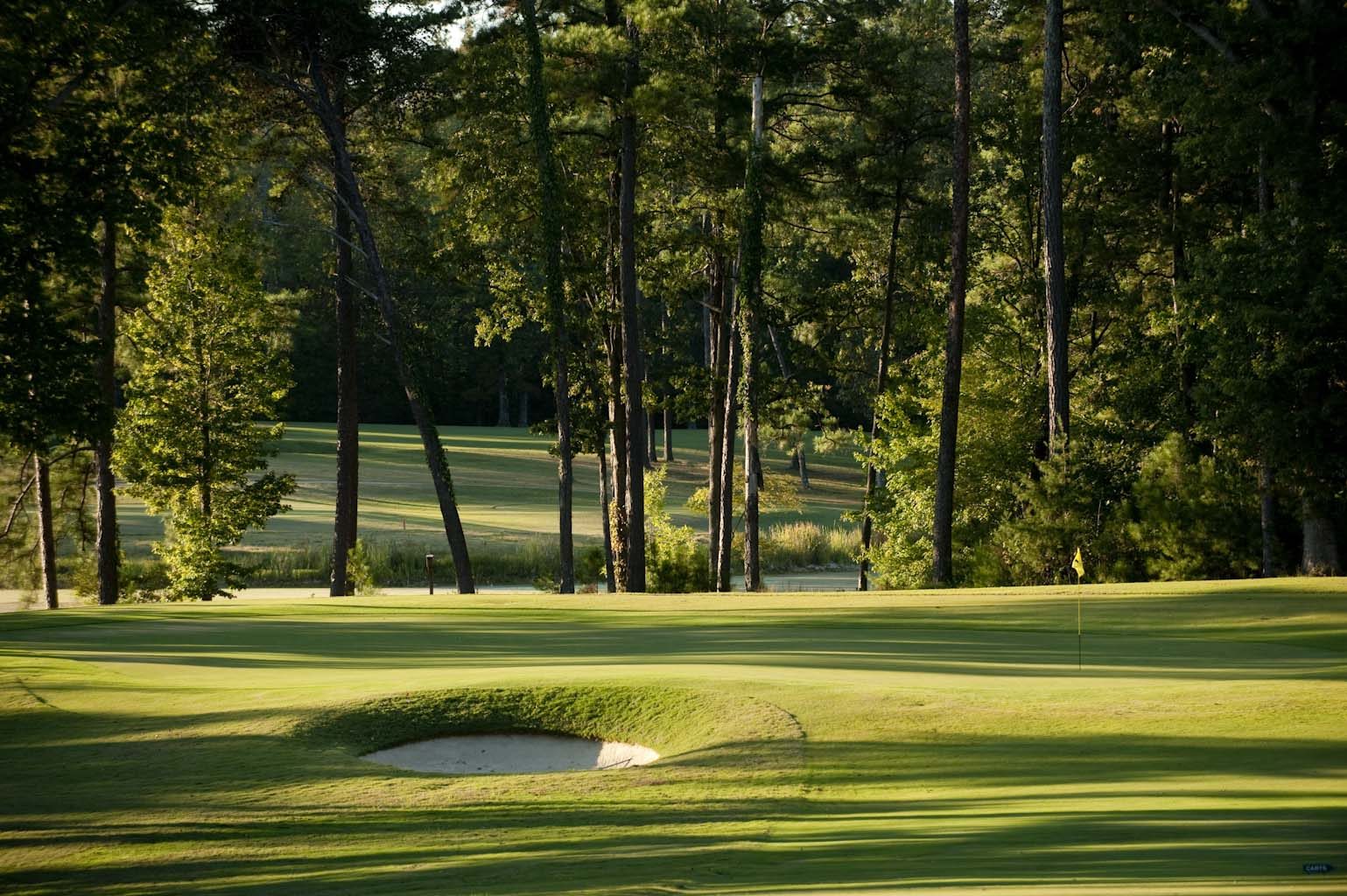
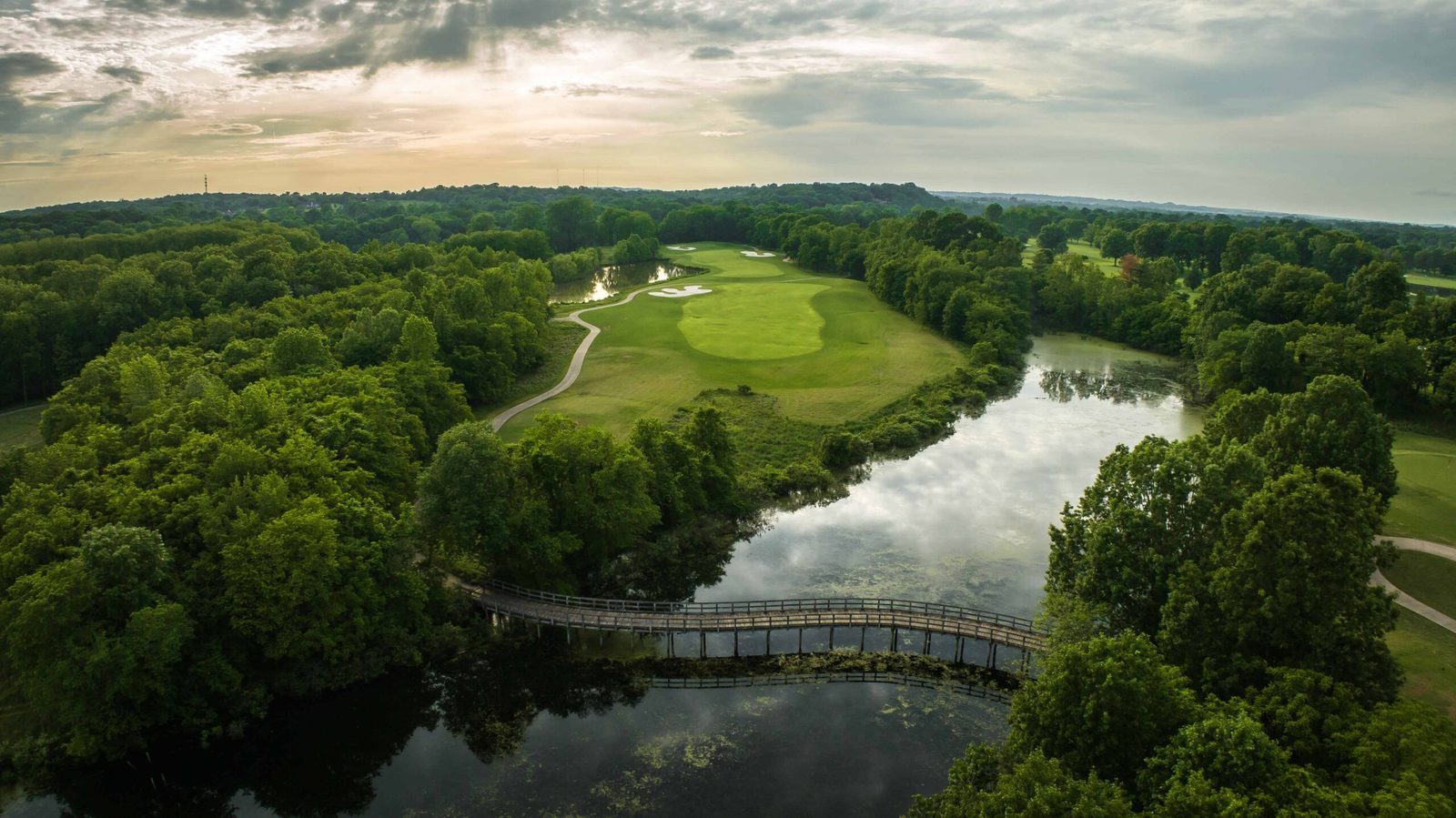
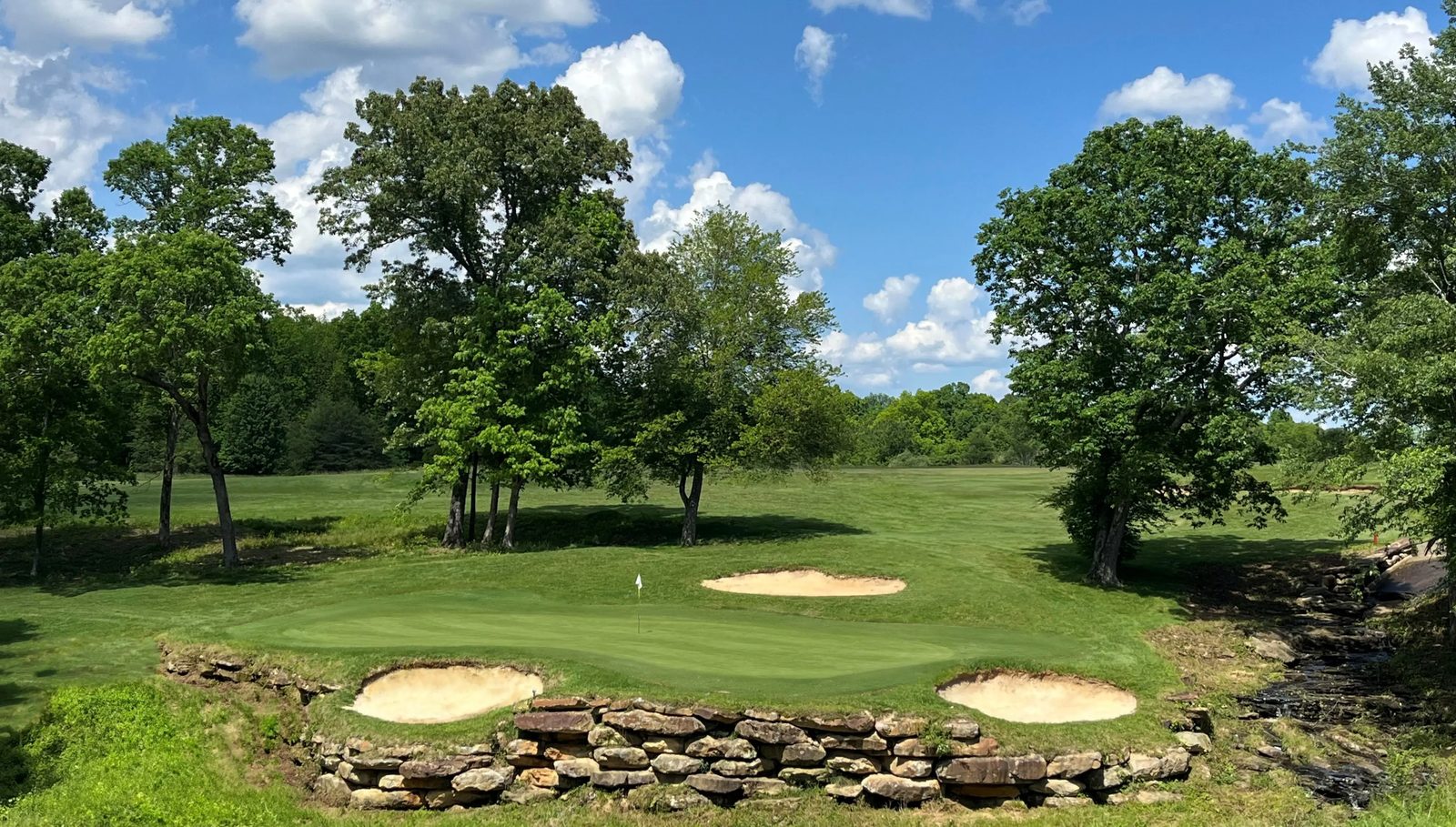
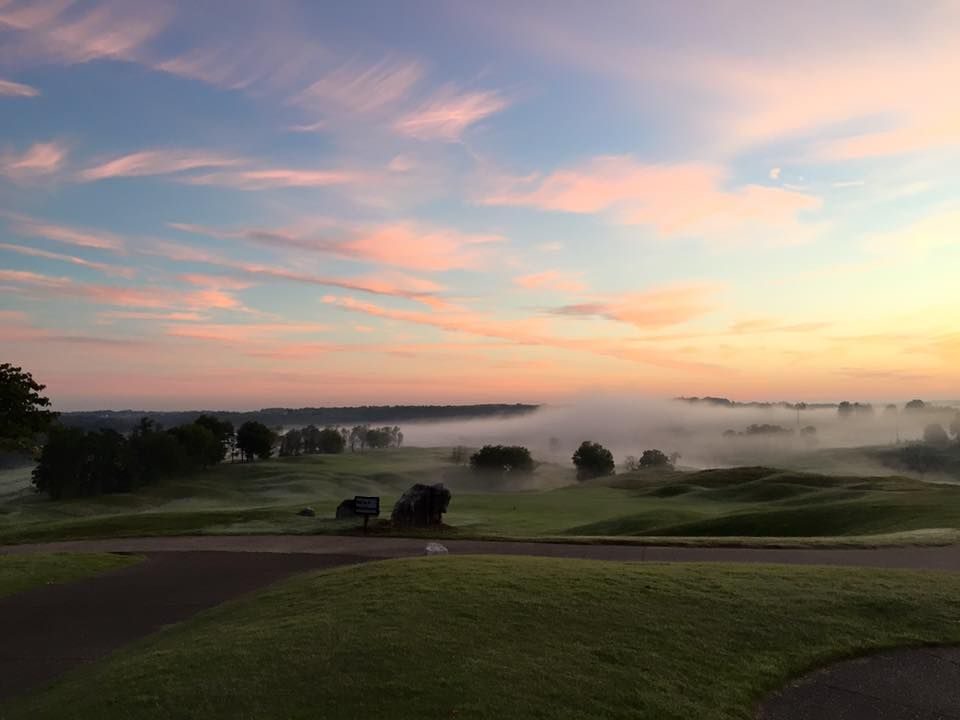
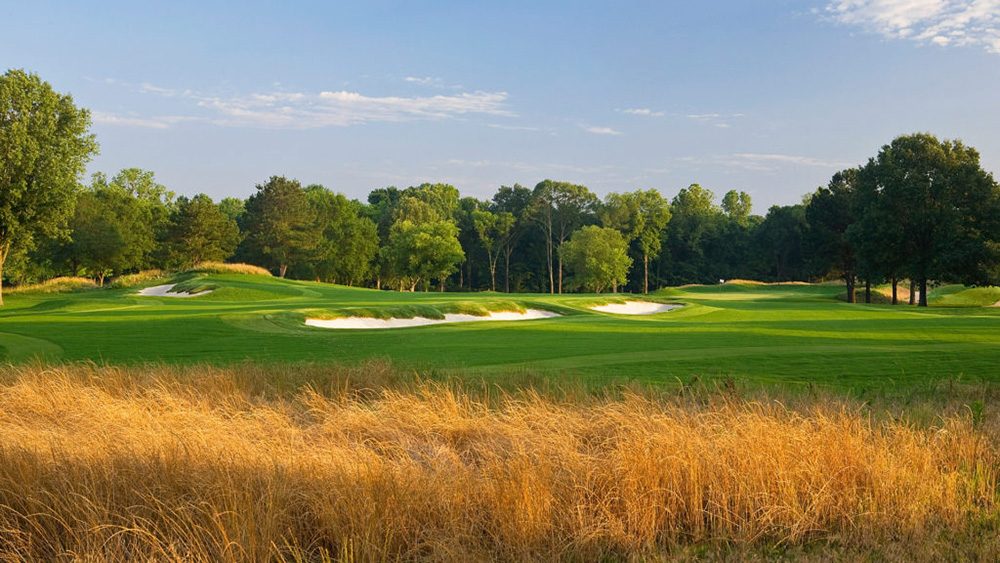
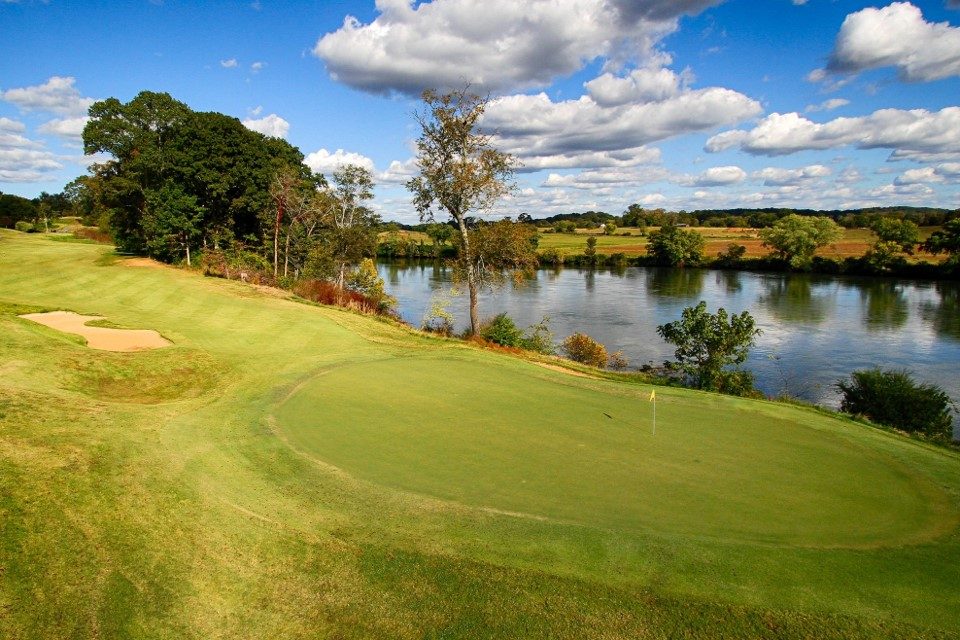
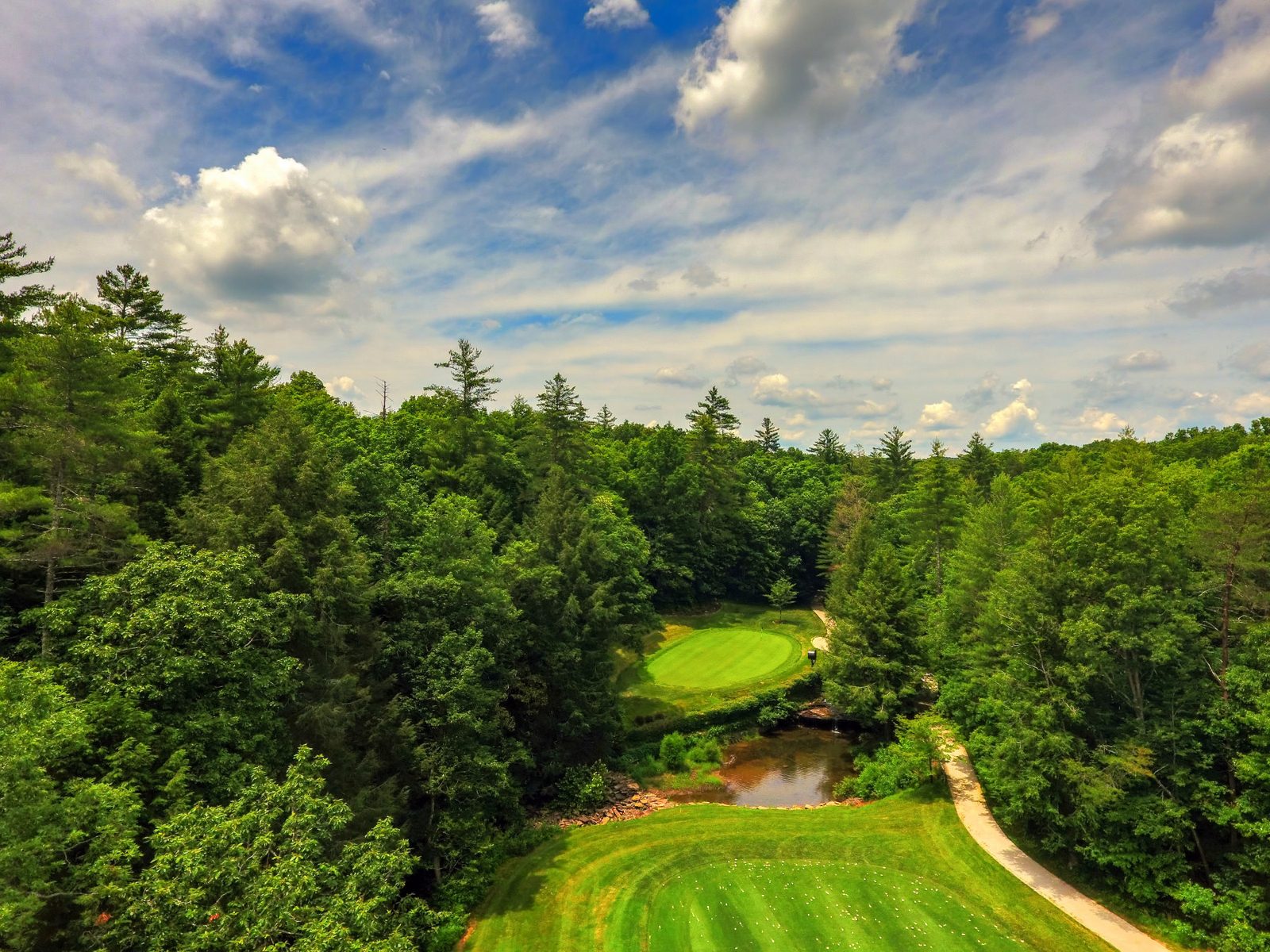
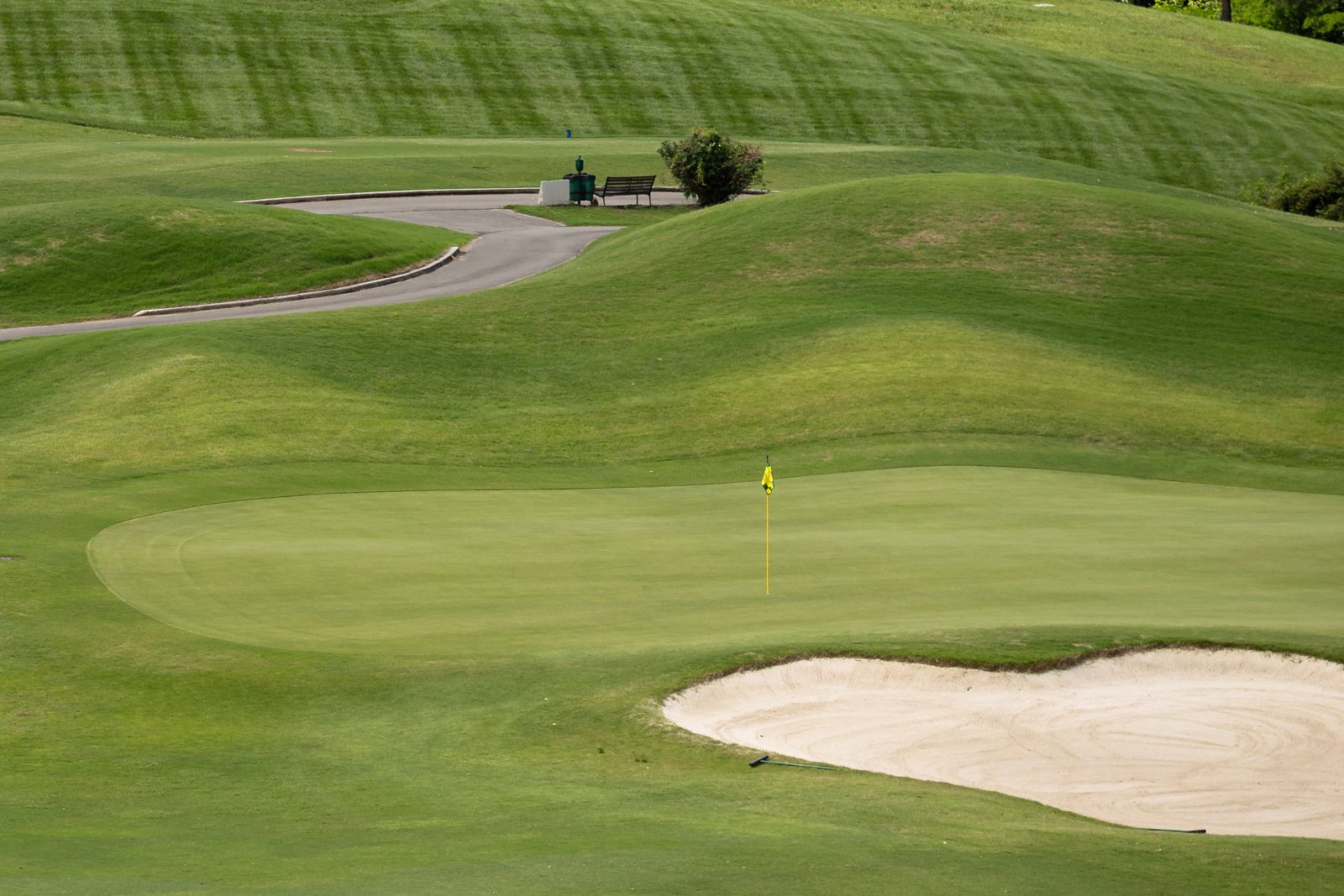
Every course you can play - from two nine-hole masterpieces on the Cumberland Plateau to a 90-hole colony at Fairfield Glade, by way of two Nicklaus state-park courses and Nashville's river golf. Public, resort and semi-private only: if a course will not sell you a tee time, it is not on this list.
15Courses you can play
276Golf courses statewide
2Nine-hole courses at the top
90Holes at Fairfield Glade alone
Tennessee golf runs the full width of the map, and the top of it is gloriously eccentric: the two best courses you can play in the state have nine holes each. On the Cumberland Plateau, a bishop's 1915 college course rebuilt by Gil Hanse chases a King-Collins cult classic for the crown, while Fairfield Glade stacks 90 holes of resort golf around Crossville and Tennessee State Parks answer with two Jack Nicklaus Bear Trace designs. Nashville counters with river golf - a links beside the Opry and 36 holes at Hermitage - the east adds island golf on the French Broad and a municipal championship course at the door of the Smokies, and in the west Memphis holds Mirimichi, the sanctuary course a hometown star rebuilt. These are the fifteen bookable courses worth planning a trip around.
How we chose them
Our fifteen starts with Golfweek's 2026 Best Courses You Can Play panel for Tennessee, whose top five we keep in order - Sweetens Cove first, the Course at Sewanee second, Stonehenge third, Gaylord Springs fourth, the Heatherhurst Brae fifth - cross-checked against Golf Digest's Tennessee honors, where the President's Reserve at Hermitage holds a top-ten place in the state, and GOLF Magazine's state-by-state raters, who place Sweetens Cove fifth and Island Pointe tenth in Tennessee across public and private courses alike. Access calls, stated plainly: the three Fairfield Glade courses, GreyStone and Landmark at Avalon pair memberships with public tee times; Sweetens Cove sells day passes rather than tee times, in limited numbers and well in advance; every other course sells daily-fee tee times to anyone. Tennessee National, a former top-ten course in the state, is excluded on access: it now operates as a private membership community on Watts Bar Lake, with no public tee sheet. No green fees are published on this page, because Tennessee's top end prices dynamically by season, day and package. No Tennessee course is in our national top 25 yet: Sweetens Cove, the state's consensus top course and a fixture on national public lists, holds the strongest claim, and it is the leading candidate for a future national list.
Access key: Public anyone can book · Resort bookable with a stay or as a resort guest · Semi-private members plus public tee times
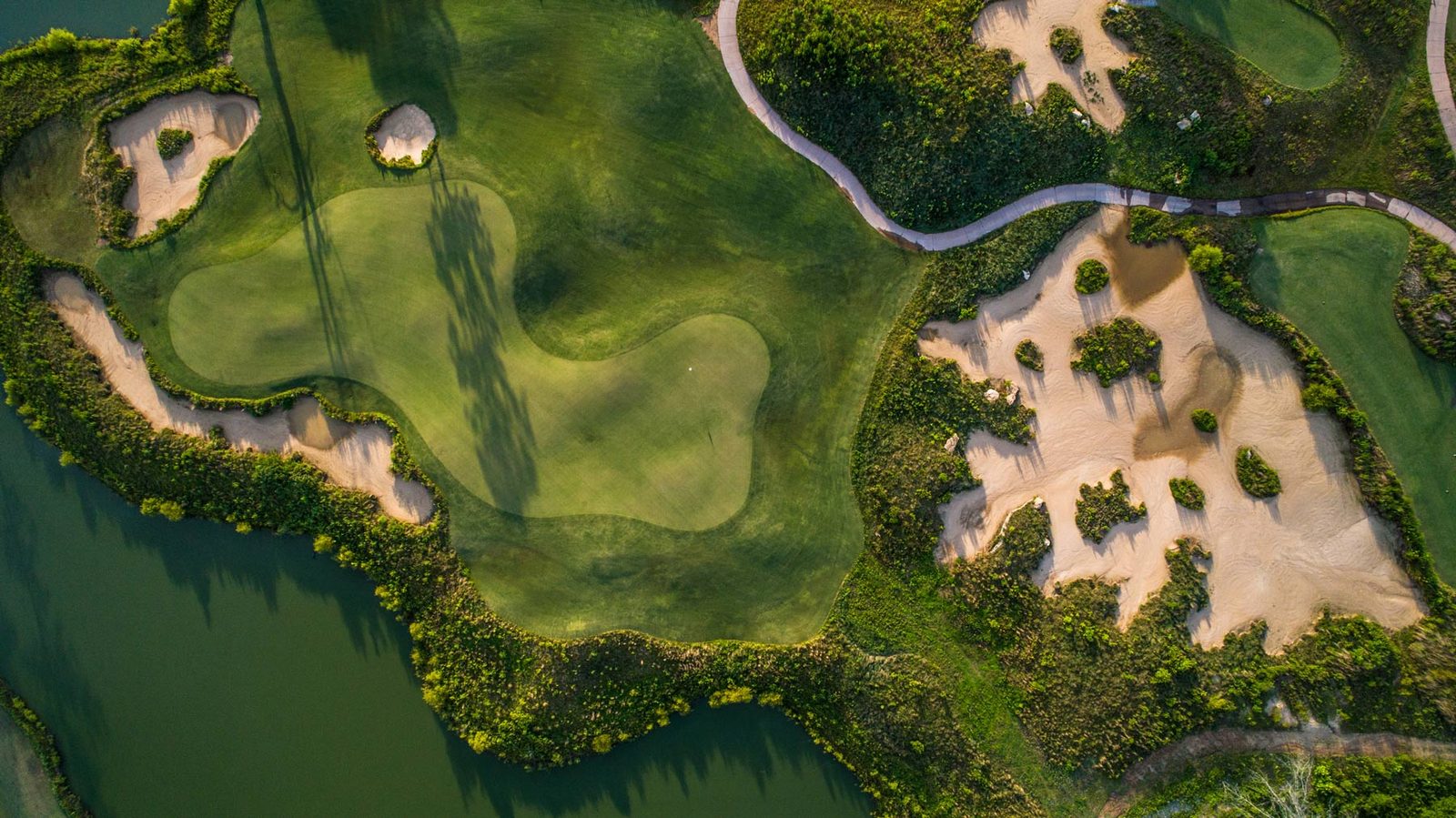
Tennessee golf's modern pilgrimage, in nine holes. Tad King and Rob Collins rebuilt the old Sequatchie Valley course in South Pittsburg into an inland links of conjoined fairways, sweeping waste areas and double-pinned greens, and golfers have been making the drive into the Sequatchie Valley, thirty minutes west of Chattanooga, ever since it opened in 2014. There are no tee times here: Sweetens sells a limited run of day passes, and a pass buys as many loops as the daylight allows, in whatever company the shed gathering produces. Golfweek's panel puts it first among Tennessee courses you can play, tied for 38th on Golfweek's 2025 list of America's top 100 public-access courses, and GOLF Magazine's raters place it fifth in the state across public and private courses alike. Read our course guide.
The other great Tennessee nine, and the elder by a century. Bishop Albion Knight laid out the course for the University of the South in 1915, with mules and the university football team doing the heavy work, and the routing he found on the Cumberland Plateau still governs play. In 2013 Gil Hanse and Jim Wagner rebuilt every green complex, refreshed the bunkering and added alternate tees while keeping Knight's routing intact, so a second loop from the other tees plays like a different course. Golfweek's 2026 panel puts Sewanee second among Tennessee courses you can play, the club notes Golf.com ranks it among America's ten best nine-hole courses, and the university's stone campus above the valley makes the setting as memorable as the golf. Read our course guide.
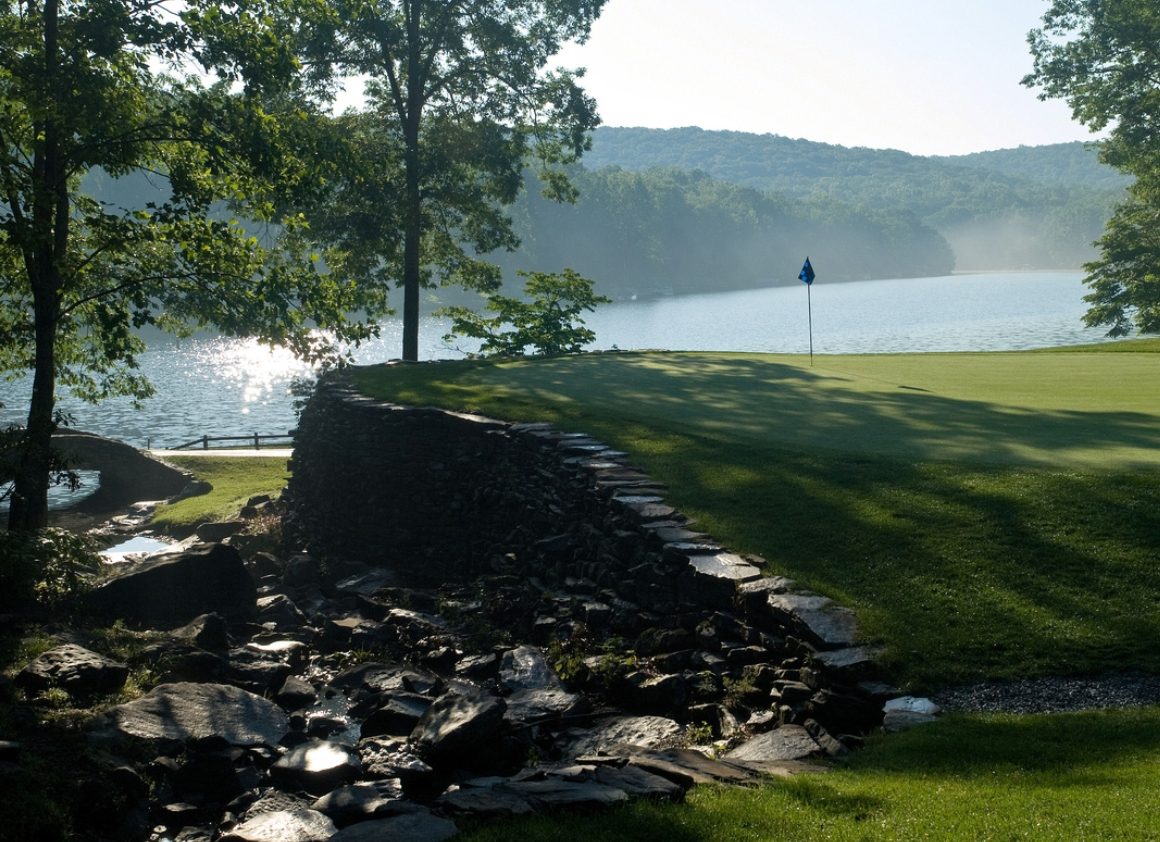
Fairfield Glade's championship stage, and the Cumberland Plateau distilled into 18 holes. Joe Lee opened Stonehenge in 1984 through rolling, wooded plateau land, threading natural rock outcroppings and walls of native stone through the routing - the signature 14th, a downhill par 3, plays to a green guarded by a layered stone retaining wall with Lake Dartmoor behind it. At 6,549 yards of par 72 it asks for placement rather than power, bentgrass from tee to green. Golfweek's panel puts it third among Tennessee courses you can play, and the course hosts statewide championships each year, including the Tennessee PGA Senior Open and the Tennessee Women's Open. Members and resort guests hold their times; public tee times complete the sheet. Read our course guide.
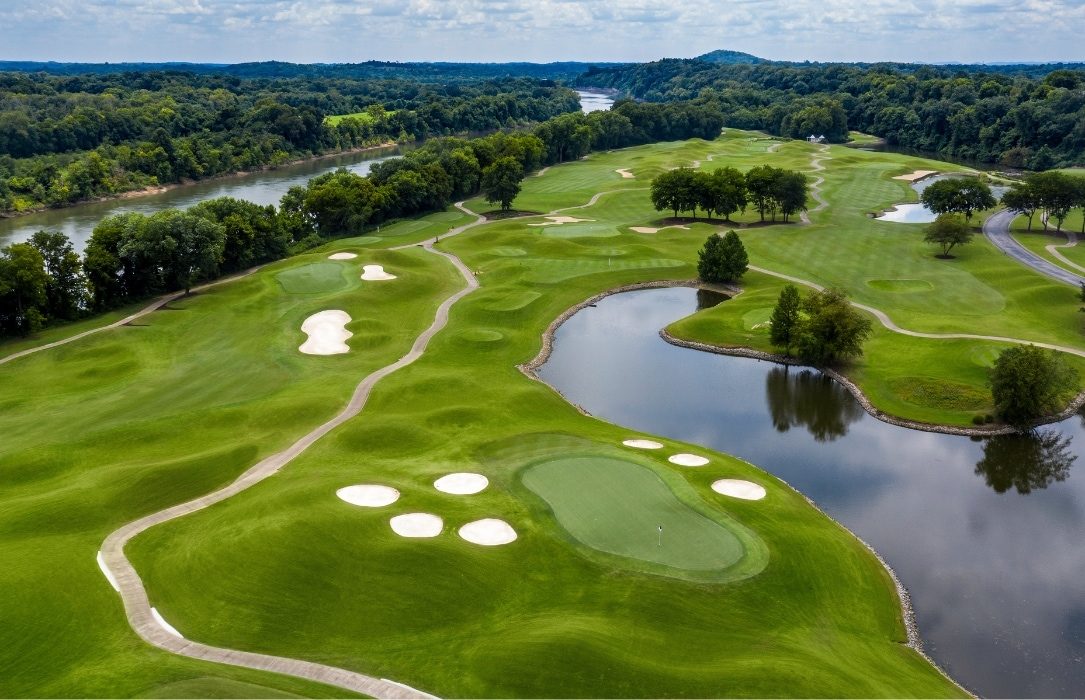
Scottish links golf, Nashville style. Larry Nelson carved Gaylord Springs from the banks of the Cumberland River in 1991: a par-72, 6,842-yard links of rolling fairways, deep bunkers and undulating greens bordered by limestone bluffs and protected wetlands, ten minutes from the airport and five from the Gaylord Opryland Resort. The signature 4th hole keeps the century-old springhouse that gave the club its original Springhouse name, and the river stays in view and in mind all the way around. Golfweek's panel puts it fourth among Tennessee courses you can play, and for a golf trip built around a Nashville base - the Opry, Broadway and all - it is the round the itinerary starts with. Read our course guide.
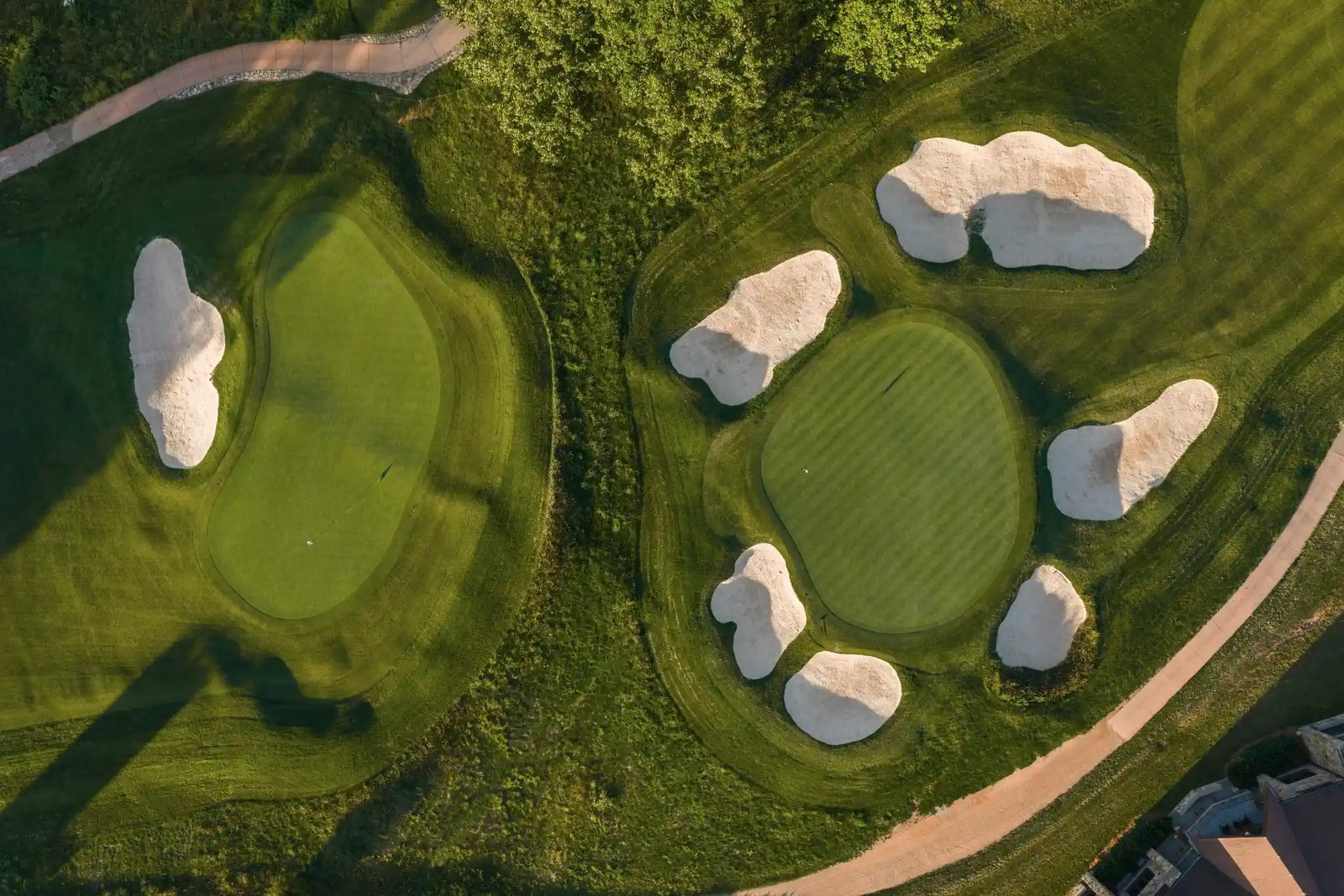
The second Fairfield Glade course on Golfweek's Tennessee list, and the connoisseur's pick of the Heatherhurst pair. Gary Roger Baird shaped the Brae from Heatherhurst nines begun in 1989, completed as a full 18 in 2000: 6,499 yards of par 72 and the only zoysia fairways in the area, their subtle undulations feeding into true, rolling greens. The front nine brings the examination - the double-dogleg 4th, a par 5 demanding two carries over Otter Creek - while the 10th tumbles downhill to a green overlooking Lake Dartmoor. Golfweek's panel puts the Brae fifth among Tennessee courses you can play. Members and guests hold their times; a public tee sheet runs alongside. Read our course guide.
The Bear Trace flagship. Jack Nicklaus opened Harrison Bay in 1999 inside Harrison Bay State Park, twenty minutes north of Chattanooga, on a peninsula of towering pines and hardwoods wrapped by Chickamauga Lake. Water touches twelve fairways, yet the corridors stay generous and most greens open at the front for the running shot; the par-3 4th is the postcard, lake from tee to a green the water borders on three sides. It stretches to 7,140 yards of par 72. Golfweek once rated it the No. 2 public course in Tennessee, the course earned Golf Digest's Green Star Award for environmental practice, and nesting bald eagles share the property with the golfers. Read our course guide.
The headliner of Nashville's great 36-hole public facility. Denis Griffiths opened the President's Reserve in 2000 on 300 acres of natural wetlands along the Cumberland River at Old Hickory, a Lowcountry-feeling landscape of lagoons, wildlife and long views that plays 7,157 yards of par 72 - a complete contrast to its tree-lined sibling across the property. Golf Digest has placed it among the top ten courses in Tennessee, and the facility keeps a flock of sheep grazing the grounds, a Hermitage signature golfers talk about long after the round. Thirteen miles northeast of downtown, it is the first call on most Nashville golf itineraries - and its sibling, also on this list, is the second. Read our course guide.
State-park golf at its most decorated. Jack Nicklaus opened the Bear Trace at Cumberland Mountain in 1998 just south of Crossville, the Golf Capital of Tennessee, routing 6,928 yards of par 72 through the plateau's elevation changes, flowing brooks and clustered mature pines, with bentgrass greens and a run of risk-and-reward par 5s. The honors from its early years still lead the state's record books: Golf Magazine named it one of the Top Ten You Can Play in North America, Golf Digest placed it among the top ten courses in Tennessee, and Golfweek named it the state's top public course twice. Cabins and a lodge inside Cumberland Mountain State Park make it a stay-and-play base for the whole Crossville cluster. Read our course guide.
Middle Tennessee's tournament workhorse. Mark McCumber opened GreyStone in 1998 in Dickson, west of Nashville, and competitive golf moved in immediately: the Tennessee State Open called it home from 1999 through 2003, PGA Tour qualifying stages followed, and conference championships keep it on the calendar. The golf explains the bookings - 6,858 yards of par 72 over rolling, undulating fairways in zoysia, Crenshaw bentgrass greens, and bunkering that keeps the driver honest on nearly every tee. It pairs memberships with a public tee sheet, country-club conditioning included, and it remains the round serious Nashville players measure their games against when the city courses feel familiar. Read our course guide.
Hermitage Golf Course (General's Retreat)
Public
Old Hickory - Gary Roger Baird (1986)
The original Hermitage course, and an LPGA Tour stage for a dozen years. Gary Roger Baird - Hermitage was his first start-to-finish design, after years working for Robert Trent Jones Sr. - opened the General's Retreat in 1986: 6,773 yards of tree-lined parkland at Old Hickory, tight fairways, strategic water and the polish that brought the LPGA's Sara Lee Classic here from 1988 to 1999. A Nashville favorite for decades, it remains the connoisseur's Hermitage round for many locals - classical shot values at public prices, thirteen miles from downtown, with its younger sibling across the parking lot waiting for the afternoon loop.
The Next Five
Ranks 11-15 complete the picture: Memphis's sanctuary rescue, an Arthur Hills course spread across three river islands, the Smokies' municipal championship course, Fairfield Glade's elder statesman, and a Joe Lee four-star in the Knoxville foothills. On a long Tennessee trip, this is the bench that fills the second half of the itinerary.
Mirimichi Golf Course
Public
Millington - Bill Bergin (2009)
Memphis golf's great rescue story. Justin Timberlake, who learned the game here as a boy, bought the old Big Creek course in Millington in 2007 and funded a reported $16 million rebuild by Bill Bergin; Mirimichi reopened in July 2009 as a 7,479-yard par-72 test with water in play on twelve holes - and as the first course in America designated a Certified Audubon International Classic Sanctuary. Timberlake sold the property in 2014, and the sanctuary golf remains: big, serene and public, just north of Memphis. Read our course guide.
Arthur Hills's river puzzle in Kodak, east of Knoxville. Opened in 1991 as River Islands, Island Pointe routes 7,001 yards of par 72 across both banks of the French Broad River and onto three islands in its middle, with a run of holes played entirely on the islands and par 3s carried across the water. GOLF Magazine's raters placed it tenth in Tennessee across public and private courses alike, and the setting - zoysia fairways, river on every horizon - has no duplicate in the state. Read our course guide.
The Smokies' municipal championship course. Sevierville Golf Club is a 36-hole city facility at the gateway to the national park; its River Course, by D.J. DeVictor, took its current form in the club's 2011 expansion of the old Eagle's Landing, keeping a share of the original 1994 holes in the mix. The River plays 7,120 yards of par 72 along and across the Little Pigeon River, with the par-70 Highlands Course across the property for the second round of the day. Read our course guide.
Dorchester Golf Club at Fairfield Glade
Semi-private
Crossville - Bobby Greenwood (1980)
Fairfield Glade's elder statesman. Bobby Greenwood opened Dorchester in 1980, the second course built at the Glade, and its charms are precision charms: narrow, tree-lined fairways, bentgrass greens, water on six holes and just 6,400 yards of par 72 that plays longer than the card. The par-3 13th drops from a tee some 100 feet above the green, and the par-5 14th crosses its stream twice on the way home. Members, resort guests and the public all share the tee sheet. Read our course guide.
Joe Lee in the Smoky Mountain foothills, twenty miles southwest of Knoxville. Landmark Golf Club at Avalon opened in 1997 across 166 acres in Lenoir City: 6,765 yards of par 72 with elevation changes on nearly every hole, greens Lee set into the slopes, and a Golf Digest four-star rating earned early and kept. The club has since regrassed its greens with Primo Zoysia - the only course in Tennessee playing on them, by the club's account - and pairs memberships with public tee times. Read our course guide.
Towhee Club in Spring Hill - Arnold Palmer and Ed Seay's rolling, creek-threaded design south of Nashville, reimagined in 2021 and now one of the capital region's favorite public rounds - leads the next wave, alongside the Bear Trace at Tims Ford (Jack Nicklaus's 1999 peninsula course on Tims Ford Lake), WindRiver Golf Club in Lenoir City (Bob Cupp, 2007, above Tellico Lake), Montgomery Bell Golf Course in Burns (the Tennessee Golf Trail's wooded state-park classic west of Nashville), the Highlands Course at Sevierville Golf Club, the Crag Course at Heatherhurst and Swan Lake Golf Course in Clarksville. Absent on purpose: The Honours Course in Ooltewah - Pete Dye's design, updated by Gil Hanse and host of the 2026 U.S. Women's Amateur - plus The Golf Club of Tennessee, Belle Meade, Richland, Spring Creek Ranch, Memphis Country Club, Cherokee and Black Creek make Tennessee a genuine private-golf power, and Tennessee National, Greg Norman's Watts Bar Lake design in Loudon, now operates as a membership community rather than a public tee sheet - but none of them will sell you a tee time, and Mulliganist only ranks courses you can actually play.