Best Golf Launch Monitors 2026
Radar, cameras, or both? Four launch monitors worth your money in 2026, with real prices, the subscription math nobody prints on the box, and which one fits your garage.
Here is the uncomfortable truth about your range sessions: without numbers, you are just exercising. A launch monitor is the only honest friend in golf. It does not care about your excuses. It measures ball speed, launch angle, spin, and carry, then shows you exactly why your 7-iron goes 138 yards instead of 150.
The good news is you no longer need a tour-truck budget. For under $1,700 you can get data that used to require a five-figure TrackMan. The bad news is the market is a swamp of radar specs, subscription fees, and camera-versus-radar holy wars. We waded through it. Here is what is actually worth buying in 2026, with real prices and the subscription math nobody prints on the box.
Radar, cameras, or both?
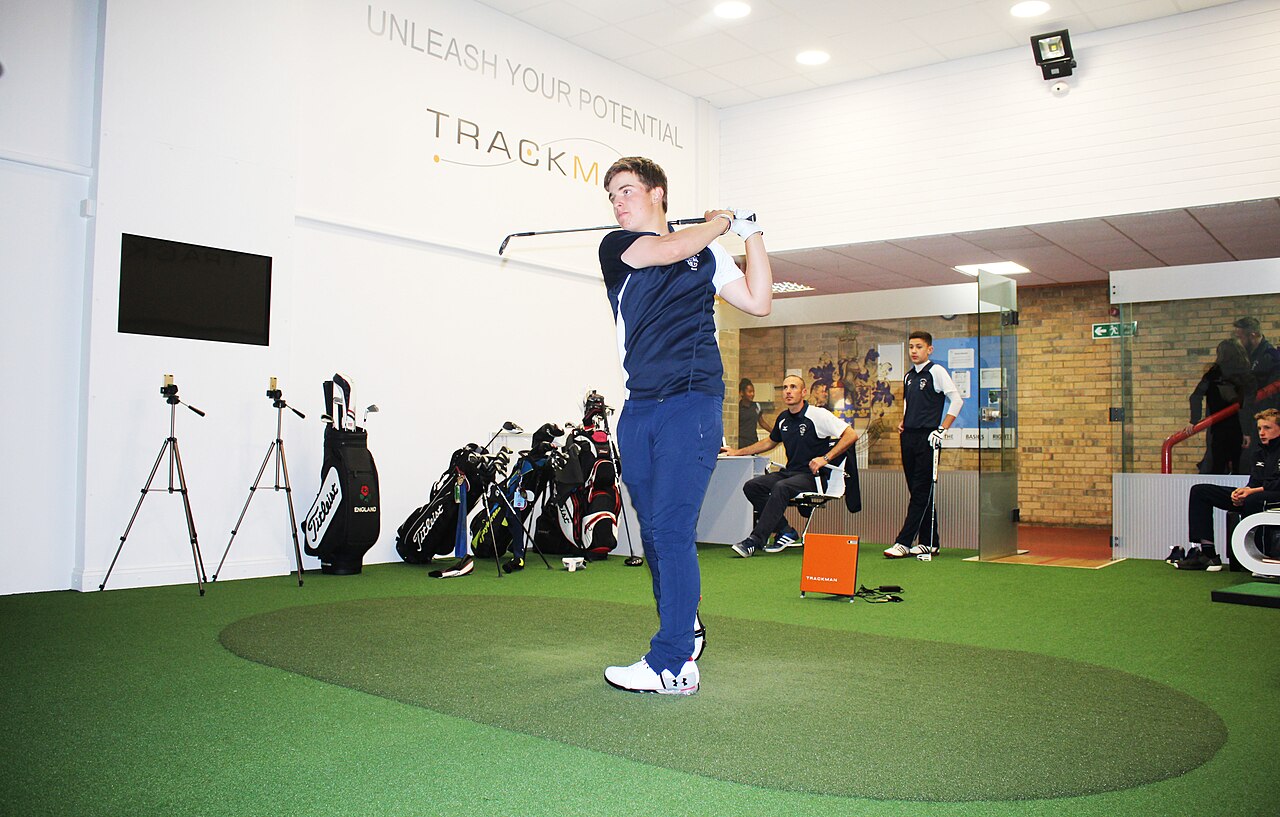
Every personal launch monitor tracks your shots one of two ways. Doppler radar (Garmin, Rapsodo, FlightScope) sits behind the ball and watches it fly, which makes it brilliant outdoors and solid indoors. Camera systems (SkyTrak) sit beside the ball and photograph impact, which makes them brilliant indoors and fussy in direct sunlight. Hybrids do both: Rapsodo pairs radar with two cameras, FlightScope fuses radar with image processing. Rule of thumb: if you live at the driving range, buy radar. If you live in a simulator bay, buy cameras.
The four worth buying
Best budget: Garmin Approach R10 - $499.99. The R10 is the little radar box that kicked off the affordable launch monitor era, and it is still the cheapest credible route to real numbers. It tracks 10-plus metrics including club head speed, ball speed, launch angle, and spin, runs up to 10 hours on a charge, and works indoors and out. The catch is the simulator: Garmin's Home Tee Hero, with 42,000-plus virtual courses, costs $9.99 a month or $99.99 a year after a 30-day trial. That is still the cheapest sim golf in existence, it plays on your phone with no gaming PC, and the R10 also pairs with E6 Connect if you want prettier graphics.
Best value: Rapsodo MLM2PRO - $599.99. This is the one we would buy with our own money. Doppler radar plus two high-speed cameras, 15 metrics, and the party trick: measured spin rate and spin axis, within 1% of the big units per Rapsodo, using special RPT balls - three of which come in the box with the tripod and case. The cameras also deliver slow-motion Impact Vision replay of your swing at 240 frames per second. It works indoors and outdoors, pairs with GSPro, E6 Connect, and Awesome Golf, and plays 30,000-plus virtual courses. The asterisk: full spin data, sim play, and the camera replays live behind the Premium membership at $199.99 a year (45-day trial included; a lifetime plan runs $599.99). One more note: it is a precision camera unit, so treat it like one - it lives indoors or under cover when the weather turns.
Best mid-tier, no subscription: FlightScope Mevo Gen2 - $1,299. If subscriptions make your eye twitch, this is your unit. FlightScope's Fusion Tracking blends 3D Doppler radar with image processing, and the core package - 20-plus metrics including angle of attack, spin, smash factor, and even putting analysis - carries zero required annual fees. It also ships with lifetime access to eight E6 Connect simulator courses at no extra cost. Want club data like face-to-path and impact location? Those are one-time add-ons: the Pro Package at $699 and Face Impact at $350. Six-hour battery. The radar does need room to breathe, so budget 16-plus feet of depth for indoor use.
Best simulator-first: SkyTrak ST MAX - $1,695 (currently on sale from $2,995). SkyTrak is the camera-based system that built the home-simulator boom, and the ST MAX is the current flagship. Photometric tracking means it sits beside the ball instead of behind it, so it needs far less room depth than radar units - a real advantage in a tight garage. Ball-data accuracy is excellent; the known gap is the lack of an angle-of-attack metric. The honest cost conversation is the app: the free tier is a driving range only, and meaningful features including course play across the Foresight and TrackMan course libraries start at $99.99 a year for Essential and climb from there. Put five years of the app plan into your math before comparing it to the Mevo.
The subscription trap
Read the box price, then read it again with the subscription. Five-year math: a $499.99 Garmin with Home Tee Hero lands around $1,000. A $599.99 Rapsodo with Premium lands around $1,600. The $1,299 Mevo Gen2 with no subscription stays $1,299 unless you add the one-time upgrades. A $1,695 SkyTrak with a mid-tier plan can clear $3,000. None of these are rip-offs - software costs real money to maintain - but the sticker price is only chapter one. And if you only want range data and never touch sim golf, the R10 and the MLM2PRO both hand you core metrics without another cent.

Space: the spec nobody advertises
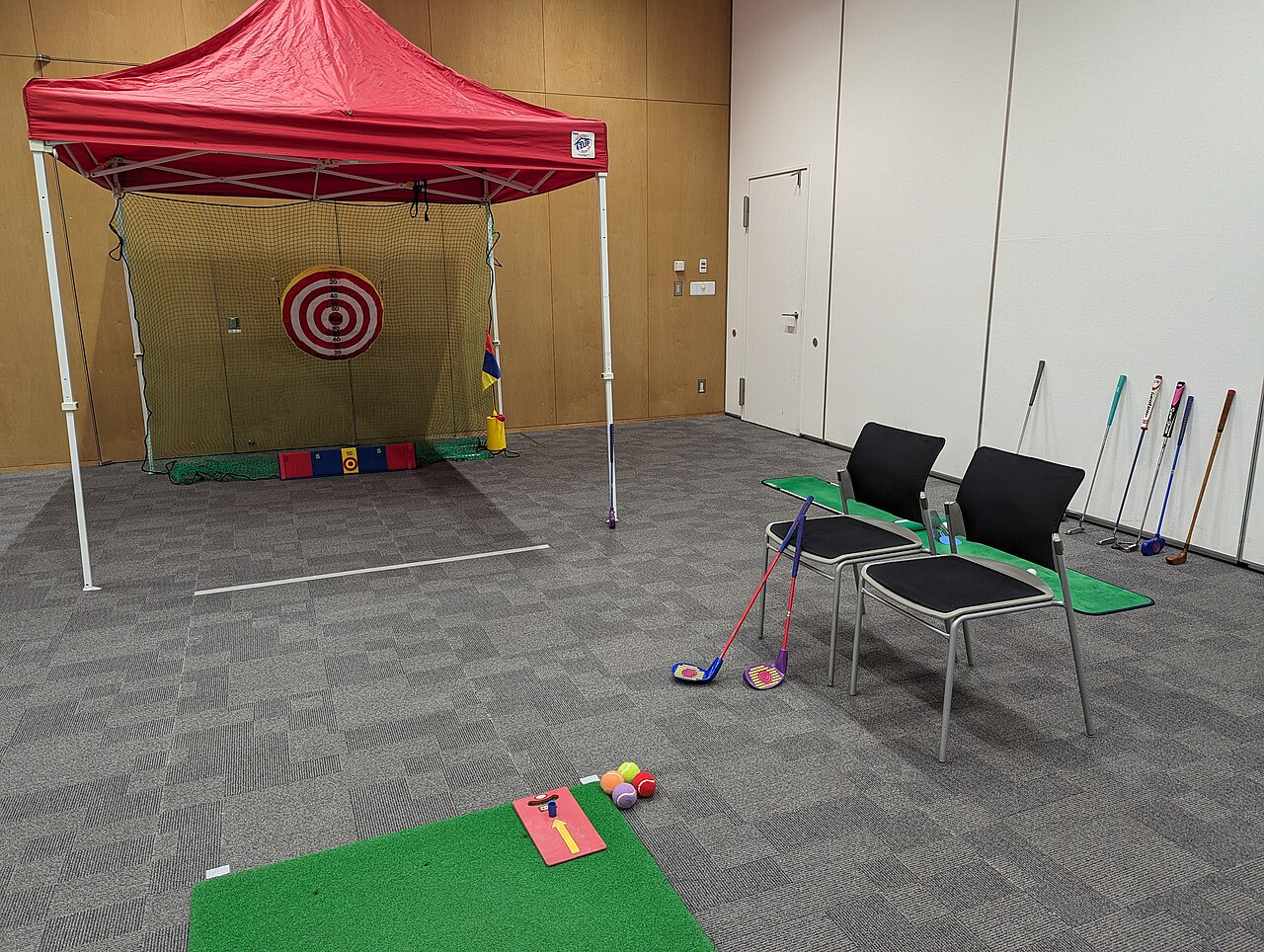
Before you buy anything, grab a tape measure. Radar units sit 6.5 to 8 feet behind the ball, and you want roughly 8 more feet from ball to net or screen - call it 16 feet of depth minimum, plus room to swing without redecorating. Camera units like SkyTrak sit beside the ball and mostly need swing space plus ball-to-net distance. Ceilings matter too: 9 feet is the comfortable minimum for a full driver swing indoors. And if the plan is a net in the garage, remember the launch monitor is only half the purchase - budget for the net, the mat, and, eventually, drywall.
The verdict
Most data per dollar, subscription tolerated: Rapsodo MLM2PRO at $599.99. Measured spin and dual-camera replay at this price is still slightly absurd. Subscription allergic: FlightScope Mevo Gen2 at $1,299, the grown-up answer. Budget capped at $500: the Garmin R10 remains the best cheap ticket into real numbers. Permanent simulator bay in the garage: price the SkyTrak ST MAX with five years of its app plan and compare it honestly against the Mevo. Whichever you pick, pair it with our rangefinder guide for on-course distances - knowing your carry numbers only pays off when you also know the number to the pin.
Photos: Tommyraiks2 (CC BY-SA 4.0, via Wikimedia Commons); Mertbiol (CC0, via Wikimedia Commons); TaurusEmerald (CC BY-SA 4.0, via Wikimedia Commons); Syced (CC0, via Wikimedia Commons)


